


Point of sale management is no longer just about being present. It’s about how you show up, when you show up, and how consistently your brand appears in-store. In an environment where consumers decide in seconds and retailers measure every detail, the point of sale (POS) has become a strategic asset for brands.
At SIG Spain (Service Innovation Group), we have been helping brands transform their in-store presence for years through effective, coordinated, and measurable point of sale management. We work closely with our clients to streamline commercial processes, optimize execution, and ensure that every in-store action has a real impact on sales and brand perception.
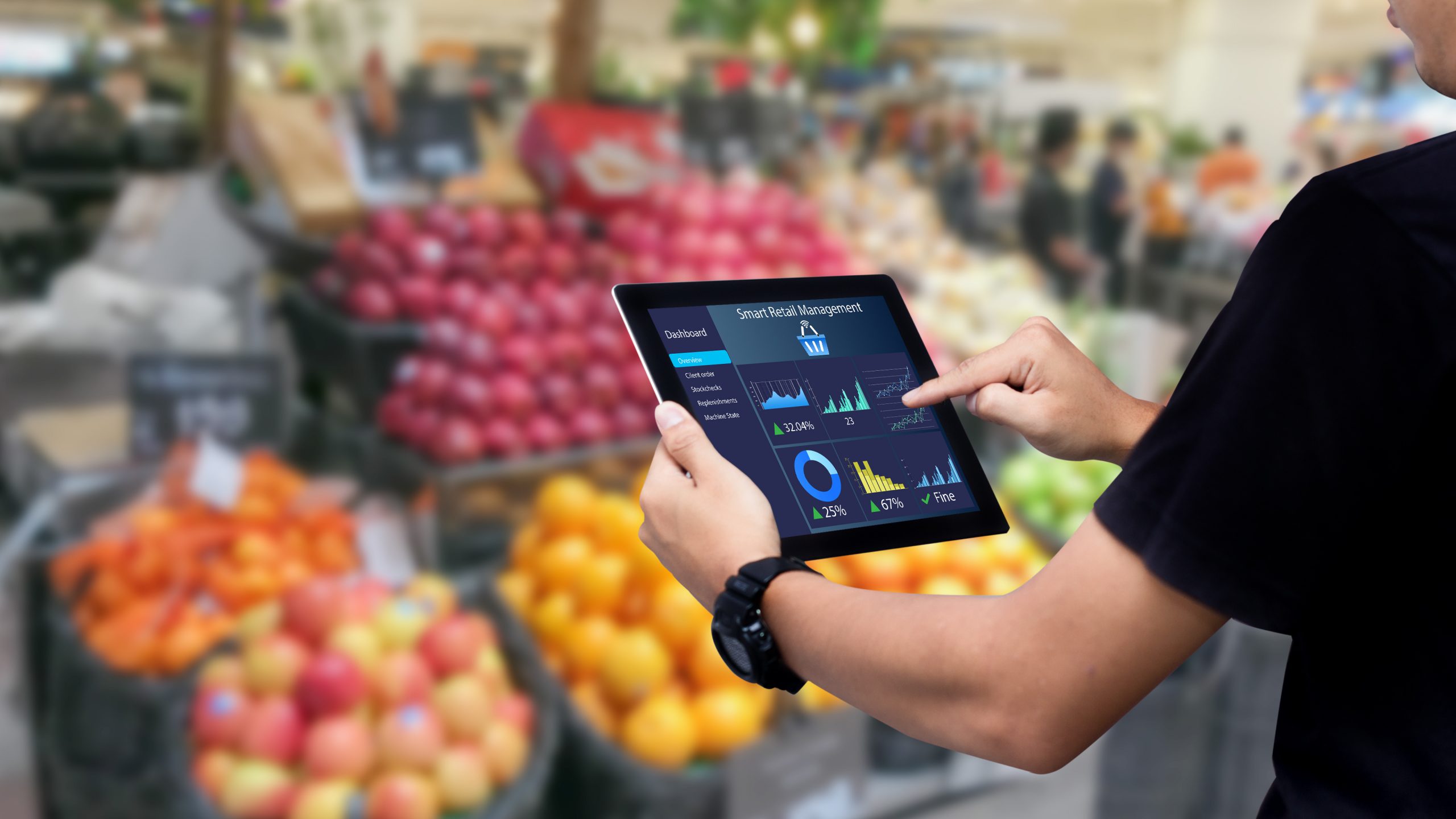
To achieve this, we combine field operations, retail strategy, and proprietary technology that enables real-time tracking of what is happening at each point of sale. Because managing the POS well is not just about organizing products: it’s about enhancing the shopping experience and reinforcing the consumer’s purchase decision.
Why strong point of sale management makes a difference?
A well-managed point of sale is one where the product:
- Is visible and well positioned
- Is presented consistently with the brand
- Responds to the shopper’s mission
- Is executed uniformly across the entire retail network
When this happens, the product doesn’t just sell better — it gains relevance over the competition.
The three pillars of effective point of sale management
1. Strengthening the brand in-store
The point of sale is one of the few spaces where the brand has direct physical contact with the consumer. Making the most of it means:
- Defining a clear in-store presence strategy
- Investing in a carefully curated and consistent display
- Planning actions that reinforce brand positioning
In-store, it’s not about being present — it’s about standing out with purpose.
2. Enhancing visual merchandising
Consumers face hundreds of references within the same retail space. If your product isn’t seen, it won’t sell.
A strong visual merchandising strategy focuses on:
- Product rotation
- Strategic shelf placement
- Visual aesthetics and consistency
- Proper planogram implementation
The goal is clear: to make choice easier and reduce shopper effort.
3. Encouraging consumption and improving the shopping experience
In-store shopping is an experience. And every detail either adds or subtracts value.
Planning commercial actions that differentiate your product — from promotions to POS activations — allows you to:
- Increase conversion rates
- Boost basket value
- Strengthen brand affinity
When the experience is positive, consumers come back. And they recommend it.
How to improve your position at the point of sale?
To stand out in a saturated environment, simply being present is not enough. The point of sale must be activated.
Point of Sale Advertising (POS materials)
POS materials are one of the most powerful tools for capturing shopper attention at the key decision-making moment.
When well executed, they help:
- Drive impulse purchases
- Improve brand recall
- Provide relevant product information
- Increase shelf visibility
Common examples include signage, displays, window showcases, end caps, and shelving units.
Merchandising: selling better through placement
Merchandising optimizes product placement by considering:
- Space
- Quantity
- Presentation format
- Store layout and aesthetics
Its goal is to present the product under the most favorable conditions to stimulate purchase over competing brands.
Examples include tastings, free samples, and promotional gifts.
Direct communication with the consumer
Understanding the consumer is essential for effective POS management.
Listening to what they need, how they shop, and what they value allows brands to:
- Adjust in-store strategies
- Improve the shopping experience
- Identify opportunities for improvement
Creating spaces for interaction and feedback strengthens the brand–consumer relationship and delivers high-value insights.
The key role: the Point of Sale Manager (POS Manager)
The Point of Sale Manager acts as the link between the brand, the retailer, and in-store execution.
Their role is to:
- Ensure proper product implementation
- Optimize distribution and visibility
- Identify issues and opportunities
- Improve the commercial performance of the point of sale
Having a specialized POS Manager enables agile, consistent, and strategic execution.
Benefits of working with a point of sale management specialist
Outsourcing point of sale management to a specialized partner brings objectivity and cross-sector expertise.
At SIG Spain, we analyze the real in-store situation of each brand and design customized action plans focused on results.
Key benefits include:
- Increased and optimized sales
- Improved product visibility
- Stronger brand positioning
- Increased market share
- Deep shopper insights
- Faster and more efficient sales channels
- Continuous improvement of the shopping experience
Because at the point of sale, being present is not enough. You have to do it right — always, and in every store.
Frequently asked questions about point of sale management
Point of sale management is the set of strategies and actions that ensure a product is correctly implemented, visible, and aligned with the brand in-store, with the goal of maximizing sales and improving the consumer experience.
Because more than 70% of purchase decisions are made in-store. Poor execution directly affects brand perception, product rotation, and sales volume.
It includes visual merchandising, planogram implementation, point of sale advertising (POS materials), stock control, commercial activations, reporting, and real-time monitoring.
A POS Manager ensures that the brand’s strategy is correctly executed in-store, identifies issues, optimizes product visibility, and improves overall commercial performance.
Because it provides expertise, objectivity, and large-scale operational capability. A specialized partner improves in-store consistency, optimizes resources, and accelerates results.
At SIG Spain, we combine specialized field teams, retail strategy, and proprietary technology to deliver effective, measurable, and results-driven point of sale management across the entire national territory.