


In retail, there’s a role that often goes unnoticed but creates the difference between a brand that’s simply visible… and a brand that actually sells: the Brand Advocate (BA), also known as a Brand Ambassador.
And while it may sound simple, it’s not. A BA doesn’t just “represent” a brand — they live it, translate it, and make it tangible where it matters most: inside the point of sale.
Brand Advocate: What It Is and Why It’s Essential In-Store
A Brand Advocate is the brand’s in-store ambassador. They bridge the gap between the marketing world and the shopper’s reality, giving the brand a “face and voice” when customers hesitate, compare, or ask questions.
- They are not a sales rep.
- They are not an influencer.
- They are not a generic promoter.
They are the person who interprets, guides, and brings the brand to life at the point of sale.
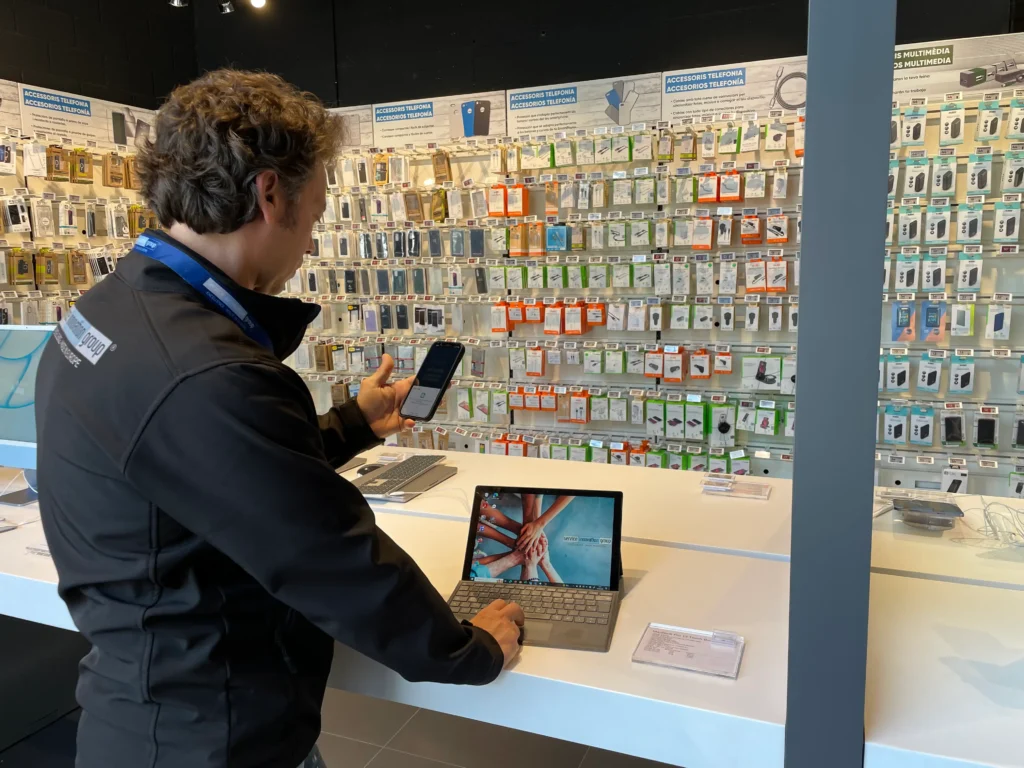
Essential Responsibilities of a Brand Advocate In-Store
1. Brand Activation and Retail Execution
- Ensures sufficient stock levels
- Reviews presence, visibility, and facings
- Guarantees working testers or demos
- Maintains display cleanliness
- Updates planograms
- Installs, replenishes, and renews promotional materials
2. Deep Knowledge of the Product and Category
- Key benefits and competitive advantages
- Target audience and shopper needs
- How the brand compares to competitors
- Usability insights and common objections
3. Training Retail Staff
They train, guide, and empower retail prescribers — which directly increases confidence and boosts sales.
4. Operational Link Between Brand and Store
- Answers store and shopper questions
- Shares real shopper insights
- Identifies and reports incidents
- Keeps the brand updated on day-to-day shelf conditions
5. Auditing and Monitoring Brand Presence
- Store furniture and fixtures
- Own assortment and competitor assortment
- Planogram compliance
- Category activations
- Visual evidence (photos and videos)
A BA is, quite literally, the brand’s eyes inside retail.
How Brands Manage Their Brand Advocate Teams
1. Ongoing Brand Advocates for Continuous Coverage
Typically used by brands with wide portfolios or high-value products that require regular follow-up.
2. Tactical Brand Advocates for Key Moments
Teams activated during critical moments: launches, promotions, planogram changes, or seasonal categories.
Externalizing vs. Internalizing Brand Advocates: The 2026 Trend
More and more brands are choosing to outsource their Brand Advocates. Specialized Field Marketing agencies like SIG Spain provide:
- Agility in selecting the right profile
- Continuous, updated training
- Structured and advanced reporting
- Optimized processes
- Fast response to retailer needs
- End-to-end coordination with marketing and retail teams
The brand gains consistency, speed, and full control of execution.
The Brand Advocate in 2026: More Decisive Than Ever
The 2026 shopper is hybrid: they compare online, test offline, scroll TikTok, ask store advisors, and expect clear, useful information.
In that context, the Brand Advocate:
- Organizes the category
- Builds genuine trust
- Reduces friction
- Translates technical jargon
- Increases conversion
- Strengthens loyalty
Conclusion
In an increasingly competitive and saturated retail environment, the difference doesn’t lie only in having a good product… but in how the brand is brought to life inside the store.
At SIG Spain, we see it every day: when a BA understands the category, knows the shopper, builds trust, and executes flawlessly, the experience improves — and sales follow.
It’s no coincidence that more and more brands — from Europe to Asia — are adopting this model. The Brand Advocate is not a trend: it’s a strategic tool that transforms in-store presence and turns brand theory into real results.
At SIG Spain, we will continue to champion this essential role, supporting brands in their growth and ensuring they always have someone who speaks their language inside the store.
FAQ About Brand Advocacy in Retail
They are the brand’s in-store ambassador who activates the brand, ensures correct presence, trains retail staff, and supports the shopper throughout the decision process.
A sales rep sells. A promoter boosts sales. A BA lives the brand: they train, audit, and communicate the brand’s essence with a strategic lens.
High-rotation or highly technical categories benefit enormously: technology, cosmetics, dermo, pharmacy, petcare, food, hygiene, or DIY.
Higher conversion rates
Fewer operational issues
Better in-store presence
Consistent execution
Real shopper insights
Ongoing: premium brands or large portfolios. Tactical: launches, promotions, seasonal peaks.
The trend is outsourcing — for agility, up-to-date training, and reduced structural costs.
Product rotation
Execution quality
In-store knowledge
Display quality
Sales with vs. without BA
Yes — they detect out-of-stocks, category disorder, incorrect pricing, or damaged materials before they affect sales.
Yes, especially when outsourced to a specialized agency.
They train staff, reduce shopper uncertainty, improve the experience, and keep the category well organized.