In retail there is something that all brands have experienced at one time or another:
You’ve designed a great campaign, you’ve invested in creative, production and planning… but when the key day arrives, something goes wrong in the store.
The material has not arrived.
Or it has arrived, but damaged.
Or it arrived well… but nobody assembled it.
Or it was assembled late.
Or it does not match what was agreed with the retailer.
And suddenly, that brilliant campaign ceases to exist for the shopper.
We call this the black hole of execution, and it almost always has one origin:
trade marketing logistics.
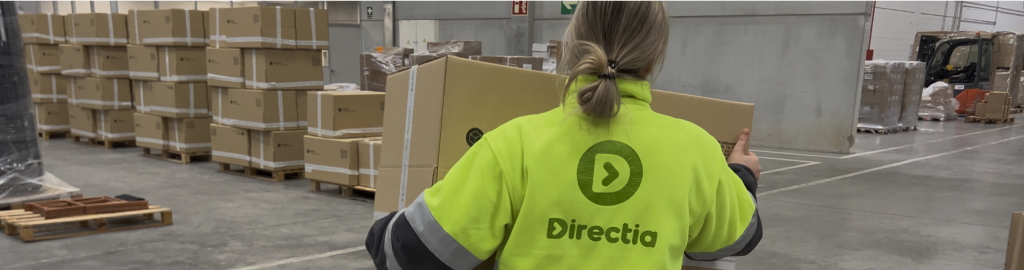
The real problem: when logistics becomes the invisible barrier between strategy and point-of-sale
If you work in retail or trade marketing, you are probably familiar with some of these real-life situations:
- Material that “was shipped”… but no one knows where it is.
- Mixed pallets with pieces from different campaigns.
- Stores receiving material out of date.
- Incidents that are detected late and can no longer be corrected.
- Displays arriving without instructions or missing parts.
- Promotions that start with no visibility… because no one set up the POS.
- Overloaded internal teams trying to coordinate suppliers, warehouses and stores.
None of this is a creativity problem.
It is a logistical problem.
And in 2026, with faster campaigns, more demanding shoppers and stricter retailers, these mistakes cost more than ever.
What is trade marketing logistics today?
It is no longer just “sending materials”.
Retail logistics has become a complete discipline that blends:
- intelligent storage,
- precise preparation of kits,
- organization of routes,
- coordination with stores,
- professional assembly,
- visual validation,
- incident management,
- data in real time.
And all this with a clear objective:
That the campaign is alive in the store the exact day it has to be.
2026 trends that are transforming retail logistics
1. Installation + delivery (it is no longer enough just to deliver)
If the material arrives but is not installed, the campaign does not exist.
Retailers no longer want boxes: they want complete solutions.
2. Real-time data and visibility
Monthly reports are a thing of the past.
Today, brands want to see:
- where each material is located,
- in what condition,
- what has been set up,
- what is missing,
- what are the incidences.
3. Agile logistics for ever-shorter campaigns
Black Friday, summer, Christmas, two-week promotions…
The impact window is minimal.
The logistics have to be just as fast.
4. Sustainability in packaging and routing
Optimizing routes, avoiding waste and extending material life is no longer optional.
5. Strategic logistics centers (not always a single one)
Operating from a single point slows down.
2026 calls for more distributed, multi-destination and responsive networks.
Logistics best practices that differentiate an “ok” campaign from a flawless campaign
Advance planning
Knowing what goes where, when it goes out and who rides it avoids 80% of problems.
Kitting by store
No more, no less: each store receives EXACTLY what it needs.
Adapted transportation
POS does not travel in the same way as a large format furniture or a totem pole.
Tight packing and routing prevents damage.
Synchronized installation
Delivery ≠ execution.
The actual validation occurs when the material is already assembled.
Immediate visual reporting
Photos, geolocation and evidence are proof that the campaign exists in store.
Real-life example: when logistics make the difference
Imagine a brand with 1,200 displays to be assembled in Spain and Portugal in ten days.
No specialized logistics:
- 100 stores receive material late.
- 60 receive mixed boxes.
- 40 report damage.
- 25 never get to ride the promo.
- The launch loses steam on the first weekend.
With well-structured trade marketing logistics:
- Each display arrives on the right day.
- Each store receives its exact kit.
- A team installs it and validates it with a photo.
- Incidents are handled on the same day.
- 100% of the network is ready to sell.
The difference is not in the design of the campaign.
It’s in how it gets to the store.
How we solve it at SIG Spain
At SIG Spain, logistics is not an “add-on”:
is the operational basis for everything we do in retail.
Clear operational planning from the outset
Dates, routes, kits, tents and people in charge.
All mapped before starting.
Retail-ready logistics centers
Sorting, handling, kitting, repair, replacement and quality control.
Specialized transportation
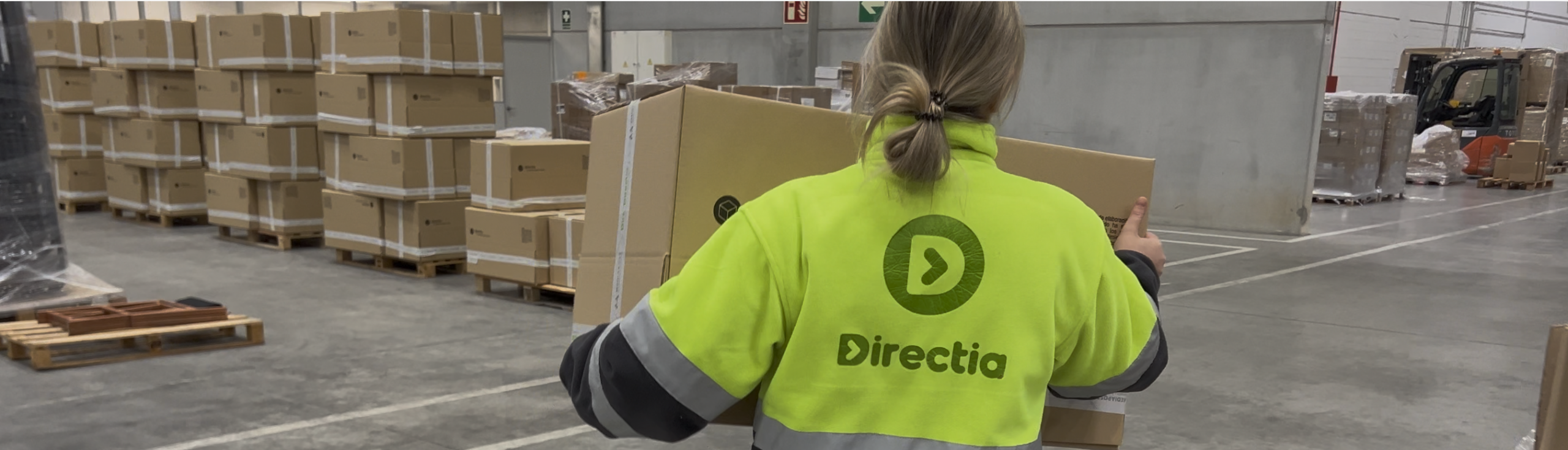
We don’t move boxes: we move campaigns.
Each material travels protected and labeled by store.
Professional installation and assembly
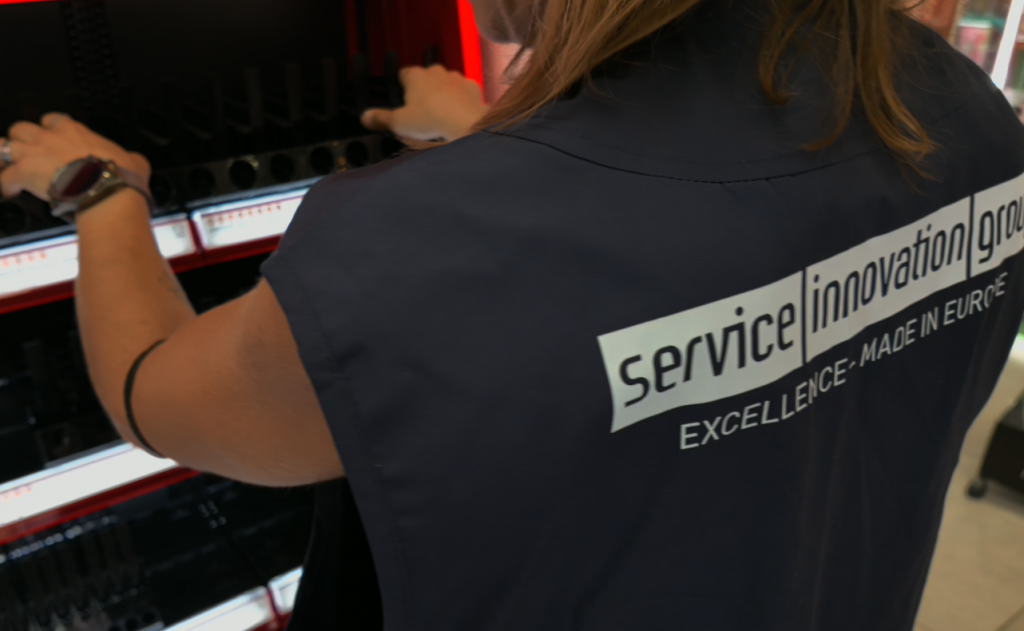
Our in-store team executes, validates and reports.
Real-time reporting with Celero One
See what happens in the store as it happens.
Operating capacity in Spain and Europe
We execute with homogeneous criteria in multiple markets.
Logistics is not just about moving material:
is to make the strategy physically exist where it matters: at the point of sale.
The part that holds everything else together
In trade marketing, creativity can be brilliant.
The strategy can be perfect.
The budget can be very elaborate.
But if logistics fail,
everything else will fail.
Logistics is that silent gear that you don’t see…
but on which it depends for the brand to be seen, understood and sold.
And when it works well, the difference is noticeable from day one.