


The in-store levers that most influence the shopper’s final decision are: presence, space, visibility, interactivity, training, shopper support, retailer support, information, speed of execution, and brand consistency. When activated correctly, they directly impact sales, customer experience (CX), and brand perception.
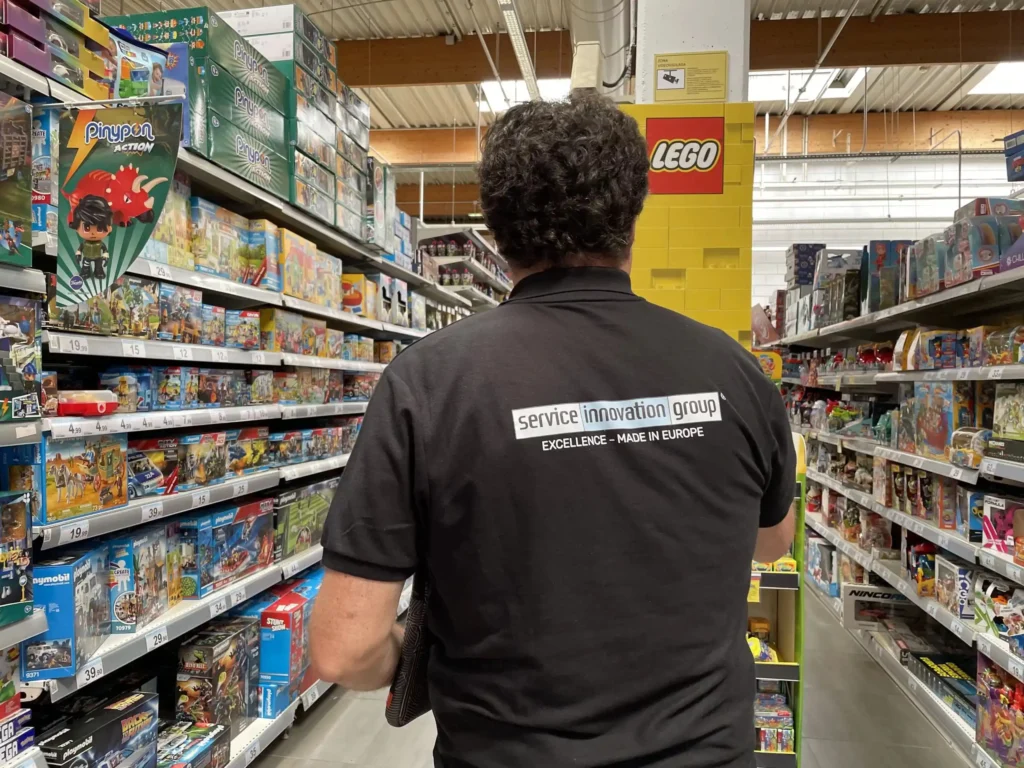
Introduction: Why In-Store Activation Levers Matter More Than Ever?
Many brands invest heavily at the point of sale, while others still question whether it’s truly worth it. That’s why today we want to explain which retail levers can be activated in-store — so you can evaluate whether they make sense for your brand.
It’s true: online channels have taken a leading role in many categories, forcing physical stores to reinvent themselves. And at the center of it all are brands — defining how to captivate, retain, and convert their shoppers.
With data, strategy, and budget, brands design the shopper journey year after year.
Now let’s look at the retail activation levers that truly influence buying decisions and customer experience.
1. PRESENCE: The Essential Retail Lever
Being there or not being there. As simple — and as critical — as that.
Presence is the most basic and most decisive lever: if the product isn’t available in-store, it doesn’t exist for the shopper.
In reality, those of us who work in stores every day know that gaps between the agreed assortment and the actual one are very common. Not intentional — but they happen.
Having someone verify presence, availability, and assortment prevents losing money on campaigns, promotions, and POS materials that cannot convert if the product simply isn’t there.
2. SPACE: How Shelf Allocation Shapes the Purchase Decision?
If presence is “being there,” space is “how you show up.”
Being placed at eye level is nothing like being placed near the floor. A triple facing doesn’t perform like a single facing.
This is where the planogram comes in — negotiated centrally and executed in-store to maintain order without improvisation.
Many retailers also allow local adjustments that benefit both the brand and the category. And don’t forget secondary placements: they lift sales and are often negotiable at store level when someone is there to manage it.
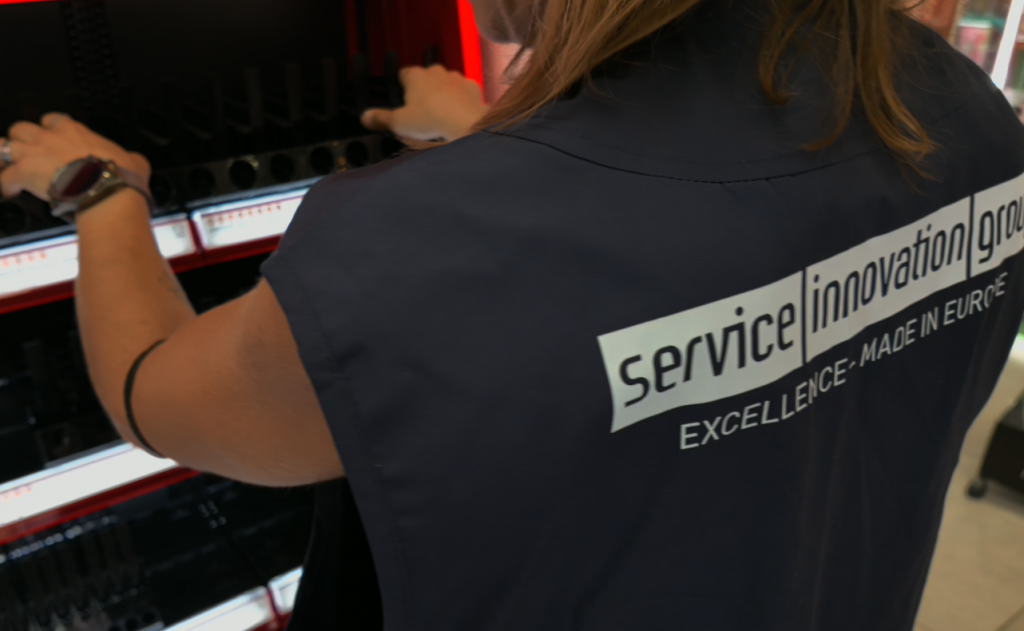
3. VISIBILITY: Standing Out Where the Shopper Decides
Once the product is present and correctly positioned, it’s time to make it stand out.
This is the role of POSM: displays, stoppers, shelf strips, window vinyls, digital screens, branded shelving, lightboxes…
This lever requires design, production, logistics, installation, and removal. That’s why many brands rely on specialized agencies to ensure flawless, on-time execution.
4. INTERACTIVITY: When Trying Becomes Deciding
In categories such as technology, interactivity is essential.
Shoppers want to try, touch, compare — they need a functional demo.
This lever requires trained staff capable of installing demos, securing devices, powering displays, and keeping the experience active and safe.
Can you imagine buying a phone without testing it? Today, that’s no longer an option.
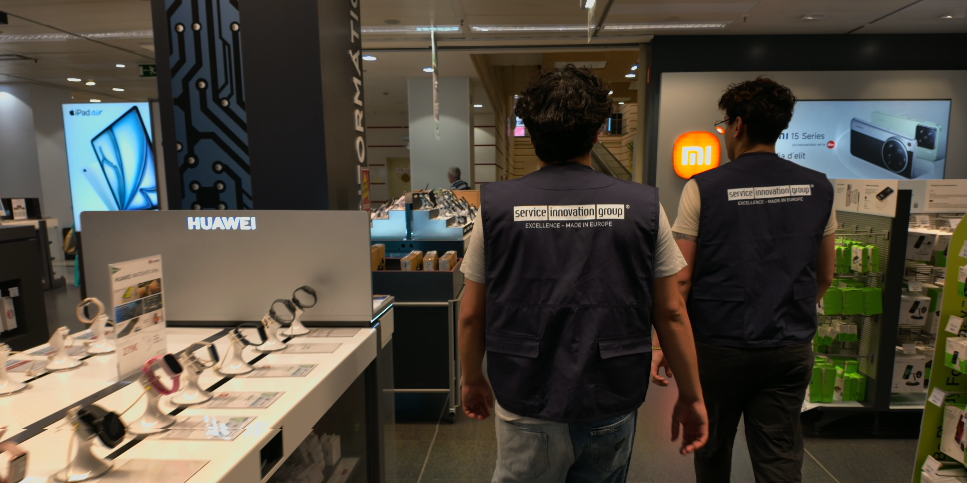
5. TRAINING: The Lever That Boosts Conversion and Trust
Critical in complex categories such as pharma, tech, and petcare.
The brand must train retail staff: advisors, managers, sales associates.
Not all brands have internal teams for this, so they rely on Field Marketing agencies for ongoing or seasonal trainings.
A shopper with unanswered questions may even leave the store. This is where training truly changes outcomes.

6. SHOPPER SUPPORT: Guiding the Customer Through Their Decision
Many brands choose to have staff — internal or outsourced — supporting shoppers directly in-store.
This role is known as the promoter.
Very common in beauty and during peak seasons: Holidays, Mother’s Day, launches…
7. RETAILER SUPPORT: The Invisible Lever That Keeps Operations Running
Stores operate in constant urgency mode.
Having someone who supports store teams (on-site or remotely) resolves incidents and keeps operations flowing.
This support can significantly improve the relationship between brand and retailer.
8. INFORMATION: The Lever That Turns Data Into Decisions
Information is, without question, a lever.
Knowing what happens in real time at the point of sale allows brands to make immediate decisions that impact sales, execution, and customer satisfaction.
Working with a partner like Service Innovation Group Spain — with solid tools, teams, and processes — connects brands to in-store reality and multiplies their ability to react.
9. IMMEDIACY: Executing at the Exact Right Moment
Today, immediacy is no longer a bonus — it’s a requirement.
Brands need everything executed at the exact moment, not earlier, not later.
This demands agile, coordinated, and specialized teams.
At Service Innovation Group, we have countless examples where flawless timing changed campaign results entirely.
10. CONSISTENCY: The Key to a Cohesive Brand Experience
Consistency between what the brand communicates and what the shopper sees in-store is essential.
When the point of sale is neglected, the experience breaks.
And a disappointed shopper is a lost shopper.
The consistency lever ensures that the entire brand ecosystem stays aligned, avoiding dissonance that harms consumer perception.
The SIG Spain Difference in Activating Retail Levers
Activating all these in-store levers is no easy task. Each one requires coordination, follow-up, and expertise to ensure results happen on time and as planned. This is where Service Innovation Group Spain makes a true difference.
We have a specialized team in field execution, POSM logistics, space management, staff training, and real-time performance tracking. Thanks to our tools and processes, we ensure every lever — from presence to consistency — is activated effectively, maximizing shopper experience and optimizing retail ROI.
With SIG Spain, brands don’t just execute their strategies — they turn them into measurable results, ensuring every in-store action has real impact on sales, loyalty, and brand perception.
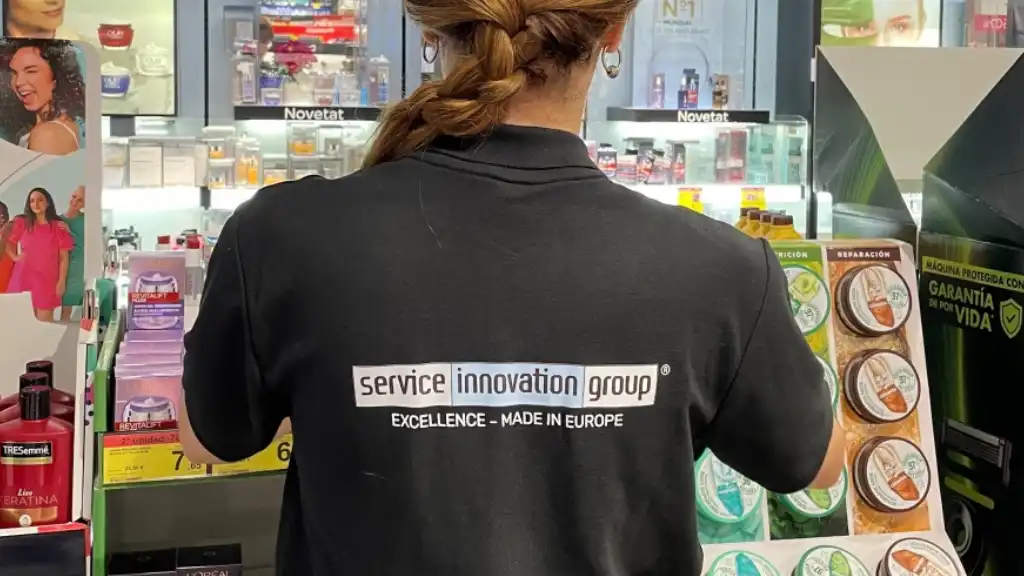
FAQs: Frequently Asked Questions About Retail Activation Levers
They are all the elements a brand can activate in-store to influence the shopper’s purchase decision: presence, space, visibility, training, information, and more.
Presence. If a product isn’t available or isn’t on the shelf, it cannot generate sales or benefit from ongoing campaigns or promotions.
Because it determines product visibility. Being at eye level, having more facings, or having secondary placements increases the likelihood of immediate purchase.
It helps a brand stand out through POSM, displays, signage, or illuminated elements that catch the shopper’s attention.
Technology, appliances, gaming, and any category where the shopper wants to test before deciding.
Because a shopper with questions needs immediate guidance. When staff is well trained, conversion increases and the customer experience improves.
A professional — internal or outsourced — who supports consumers in-store, answers questions, and boosts sales for a brand.
Because it enables immediate reaction to out-of-stocks, execution errors, visibility opportunities, or incidents that impact sales.
Coordinating actions so everything happens exactly when it should: activations, promotions, installations, POS updates, and in-store execution.
Because if what the shopper sees doesn’t match what the brand communicates in media, the experience breaks — and trust is lost.