Trade Marketing is the discipline that turns a brand’s strategy into real results at the point of sale, and most campaigns fail not because of the strategy, but because of in-store execution. A misplaced display or a misread planogram can weigh more on the purchase decision than brilliant creative.
If you work in Trade Marketing, this probably sounds familiar: the campaign is planned down to the detail, validated internally, with approved materials and clear objectives. Everything fits in the PowerPoint. And yet, when it reaches the store, something goes wrong.
And the worst part: you weren’t there to see it.
What is Trade Marketing?
Trade Marketing is the set of actions a brand develops together with the retailer to improve the visibility, turnover and shopping experience of its products at the point of sale. It doesn’t replace brand marketing: it translates it into physical space, visual order and real availability.
It includes, among other things:
- Planograms: how and where each product is placed on the shelf (how to ensure correct implementation).
- POS materials: point-of-sale advertising materials, such as displays, graphics and testers.
- Retailer coordination: space, timing and rollout conditions.
- Promotions and activations: one-off actions that must be carried out the same way across the whole network.
- Field reporting: evidence of how each action was actually implemented.
The challenge isn’t designing all of this. It’s making sure it’s carried out the same way in every store where the brand operates.
The real problem: the strategy says one thing and the store tells another
Today the Trade Marketing role is more complex than ever: multiple retailers, tight calendars, simultaneous launches and constant pressure to justify investment.
Your focus is where it should be:
- Campaign strategy and brand positioning.
- Visual consistency across the whole network.
- Budget control and commercial impact.
But in-store execution is a different universe: assembly, logistics, space validation, adaptation to each point of sale and communication with the store. The internal team can’t always take this on, simply because there isn’t enough time.
It’s not a lack of strategy. It’s a lack of operational capacity to turn it into reality.
The framework: the Real Execution Triad™
Three forces explain whether a Trade Marketing campaign works in store or not:
| Force | What it means | If it fails |
|---|---|---|
| Clear strategy | What the brand wants to communicate. | The campaign has no direction. |
| Precise operation | What happens in store, with rigor and no improvisation. | The strategy never materializes. |
| Coherent result | What the shopper perceives, understands and decides. | The investment doesn’t turn into sales. |
When all three are aligned, the campaign works. When the operation fails, the result disappears, even if the strategy is excellent.
What hurts the most: when the campaign was good
The idea didn’t fail. The creative didn’t fail. The value proposition didn’t fail.
Something much smaller failed:
- An unlevel display unit or lighting that doesn’t work.
- A misaligned graphic or a planogram interpreted “their own way”.
- Empty testers or products out of order.
- A promotion running in some stores and not in others.
In categories where the purchase decision is visual and emotional, such as cosmetics, technology or personal care, these details weigh more than they seem. According to POPAI, in 76% of supermarket purchases the shopper decides which product or brand to take once inside the store (2012 study in the US).
In Spain, moreover, the physical channel accounts for almost nine out of ten retail purchases, according to Savills’ e-retail index (2024 data).
Why campaigns get lost even when they’re well designed
- Lack of real visibility: you don’t know what’s happening in each store until it’s too late.
- Planogram deviations: interpretations, rush or lack of operational time.
- Incomplete materials: not everything gets installed, or not to the planned quality.
- Late reporting: no photos, no data, no traceability.
- Lack of synchronization: the action doesn’t start at the same time across the network and the moment of highest conversion is lost.
- Overstretched internal teams: more time putting out fires than managing strategy.
None of these is a marketing failure. They are operational failures that affect marketing.
Signs you need to strengthen point-of-sale execution
- You don’t know for sure how the campaign was set up in every store.
- You receive incident reports too late.
- You rely on loose photos or informal messages from stores.
- There are significant differences between points of sale.
- The retailer reports failures you hadn’t detected.
- This isn’t a management failure. It’s a sign of operational growth.
Why many Trade Marketing teams rely on field specialists
Not because they don’t know how. Not because they can’t. But because it isn’t efficient to take everything on in-house.
Specialized external teams provide:
- Real operational knowledge of stores and complex rollouts.
- Logistics coordination across large networks.
- Precise planogram reading and professional assembly.
- Traceable reporting in real time, with photos and evidence.
- Fast response to incidents.
They work as an operational extension of your team, not as just another supplier.
How we solve it at SIG Spain
At SIG Spain we understand that Trade Marketing doesn’t fail in the strategy. It fails when the strategy isn’t executed with precision. We work on three fronts:
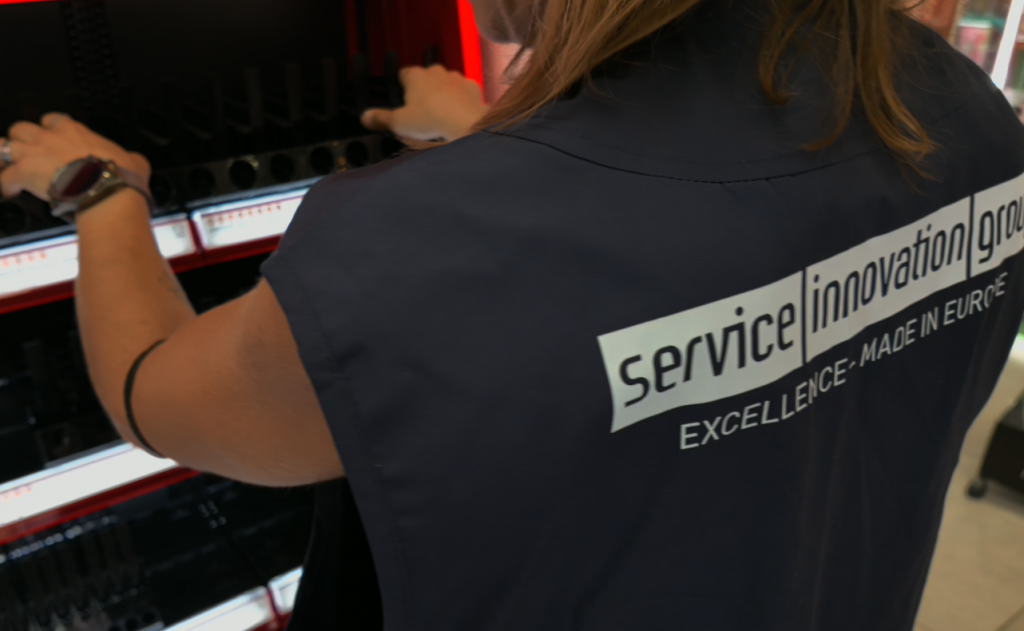
- Exact execution: assembly, rollout, leveling, order, lighting and testers ready.
- Real visibility with Celero One: photos, incidents, KPIs and real-time traceability.
- Fast response: incidents handled before they affect sales.
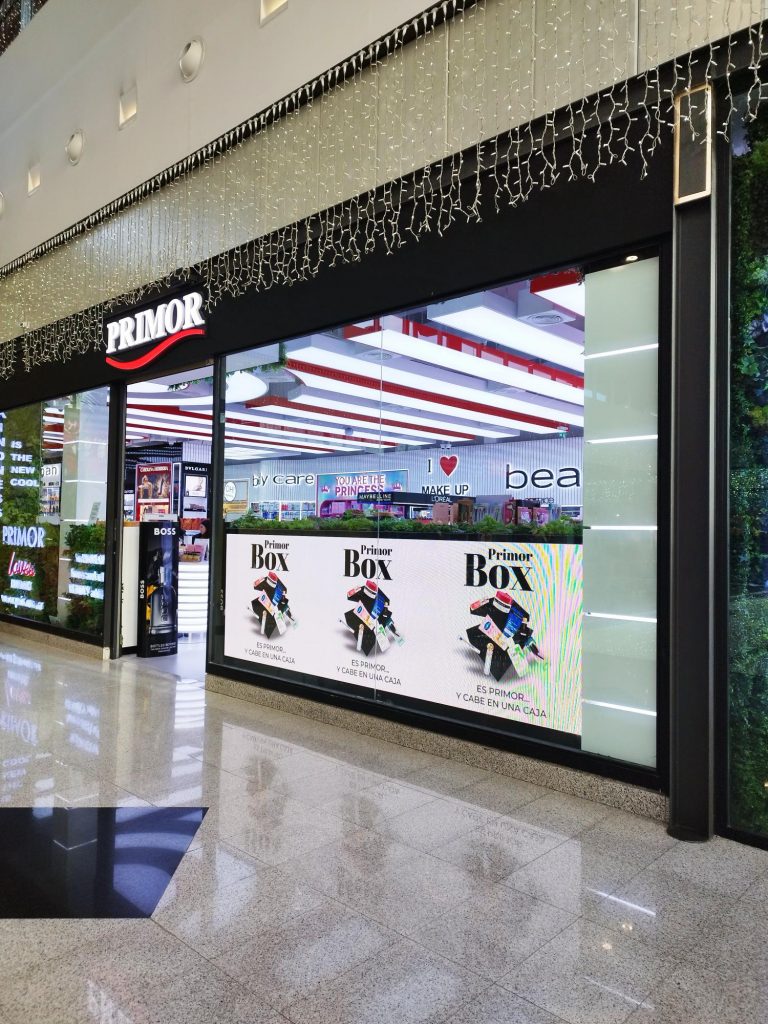
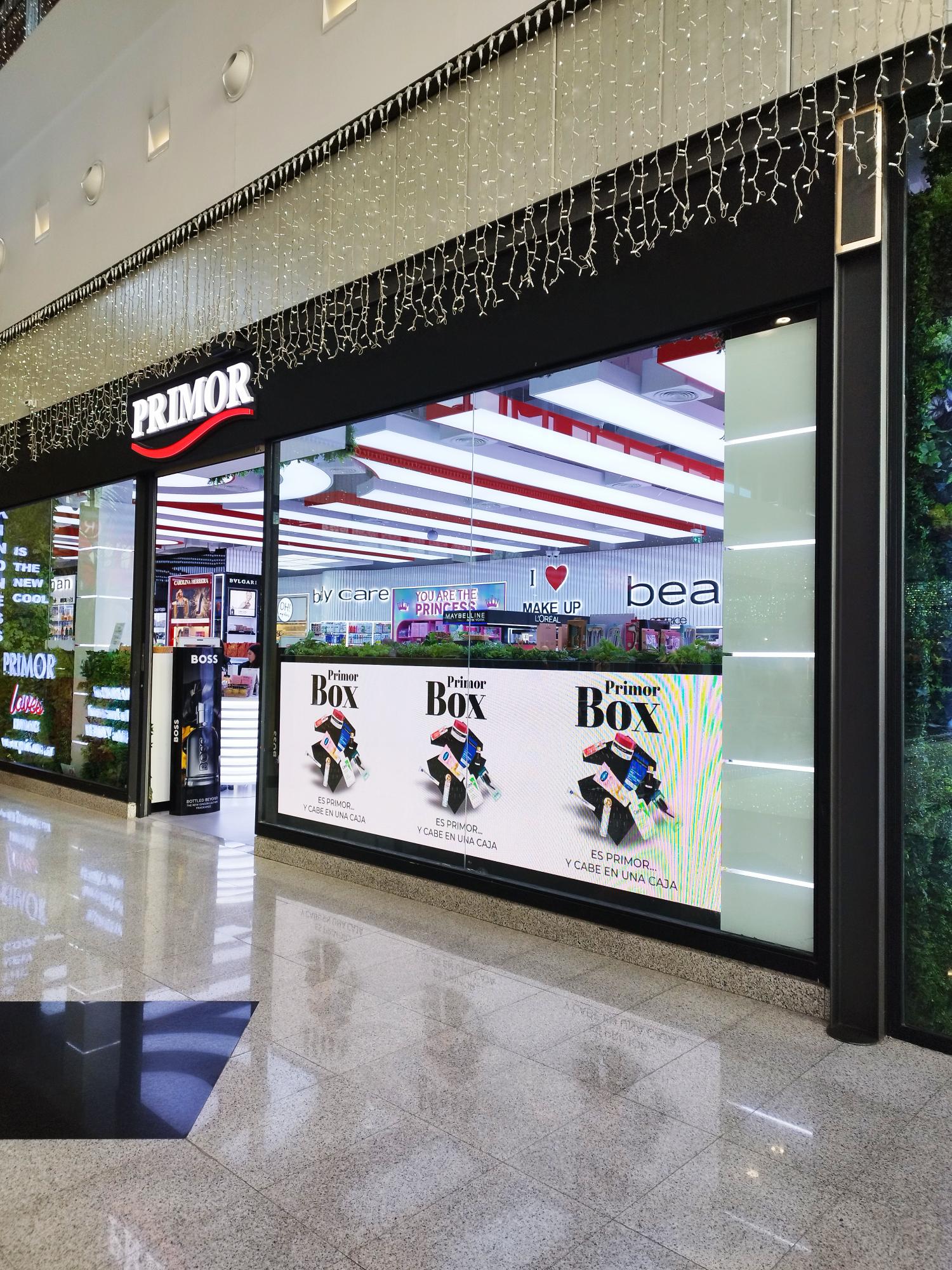
We are the partner that turns the PowerPoint into physical reality in store. You can see a real example in our case study.
When execution tells the right story
The most creative idea doesn’t win. The best-executed idea does.
Today the question isn’t whether your campaign is good. The question is: is the store telling the same story you designed? If the answer is “I don’t know”, you already have your starting point.
Want to improve your brand’s execution at the point of sale? Tell us your challenge and we’ll explain how we solve it.
Trade Marketing is the discipline that manages how a product is displayed, placed and communicated at the point of sale, in coordination with the retailer. It includes planograms, POS materials, promotions and the physical execution that turns brand strategy into a real shopping experience.
Because execution requires specific processes, teams and operational control. Without a field structure, even the best campaigns are executed unevenly from store to store.
Yes. Many brands work with specialized partners to ensure correct rollout, consistency and control across large store networks, especially in visual categories such as cosmetics, technology or personal care.
It provides real visibility into what happens in store, makes it possible to fix incidents quickly and helps you defend results with data and evidence in front of management or the retailer.
No. In fact, it often strengthens it. It allows Trade Marketing teams to maintain strategic control while specialized partners manage store operations using structured processes and field expertise.